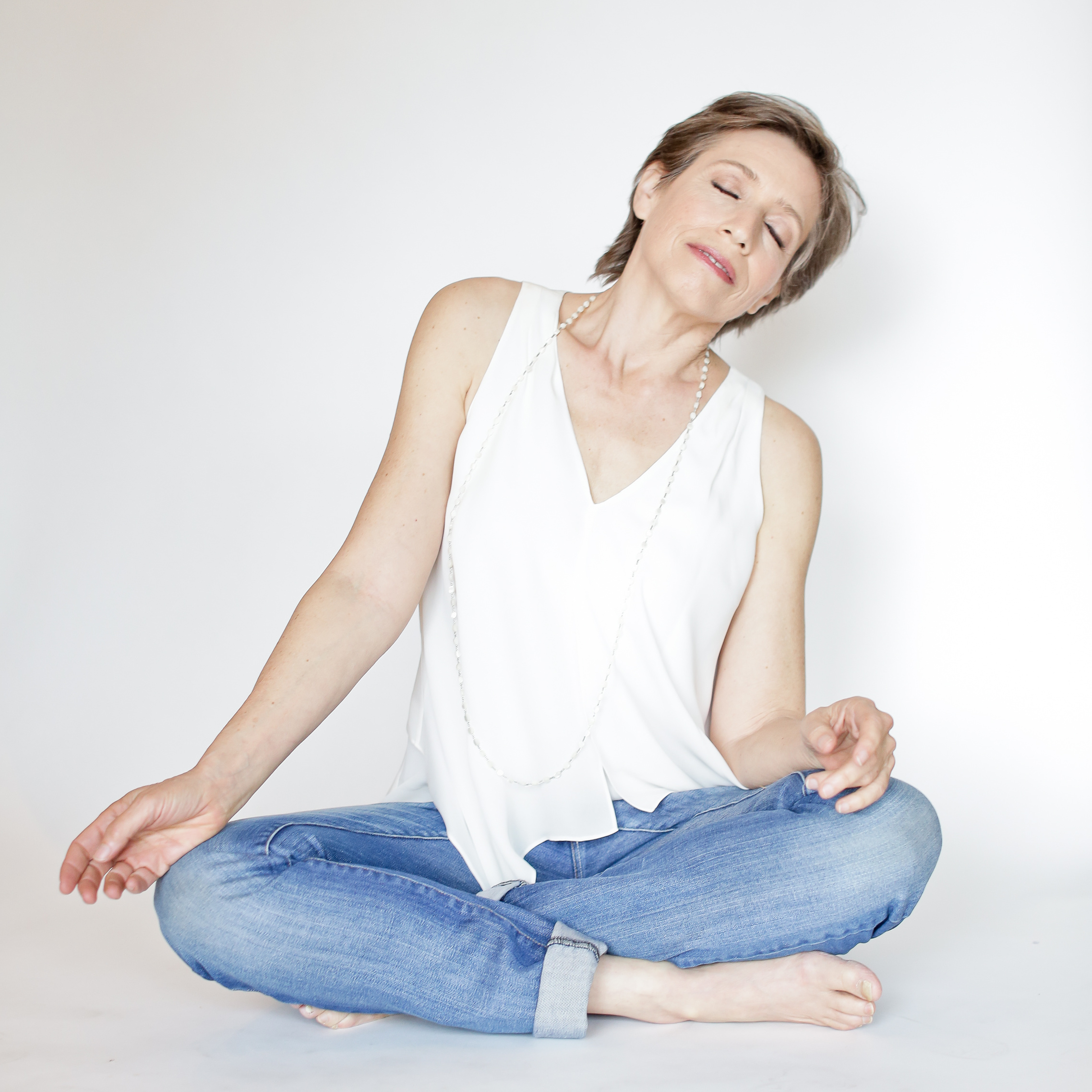

Authentic Movement and Ecstatic Dance
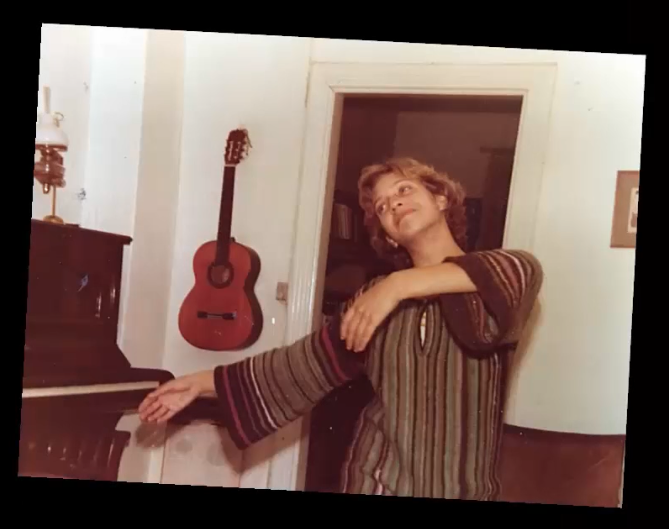
— From my movement journal, 1990
The Beginning: Tufts, 1970s
My first dance therapy program in the 1970s, at Tufts Summer School under veteran Norma Canner, turned out to be the foundation for my adult life.
I transferred to Tufts to study with improvising master Darius Mozafarian, and I’ve been all about improvisational dance ever since – for exploring self and others in relationship, for healing, growing, expression, and play.
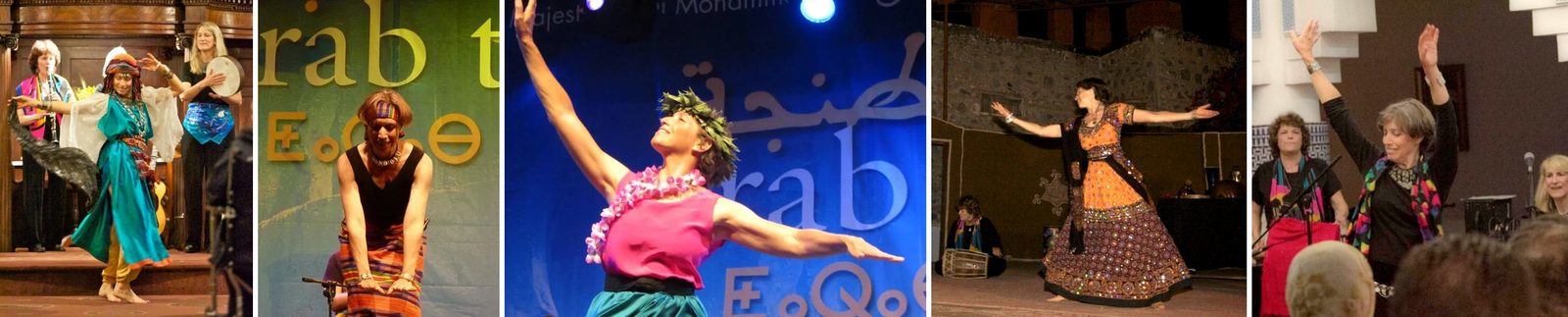
Longy & Libana: 20 Years of Performance and Teaching
I didn’t know I had a unique understanding of embodying music until I was “spotted” in a Dalcroze Eurhythmics class at Longy School of Music (a method to learn about music through movement). The two program directors pulled me aside and said, “We want you to teach the musician students to do what you do.”
My seven-year tenure at Longy included solo improvisational performances that involved the audience as “stage props” and soundscapes for my dancing.
Not all of my dancing was improvisational, however. When I joined the women’s world music ensemble Libana in 1980 — and stayed forty years — I researched, studied, and performed dances from Hawaii to Africa, the Middle East, and India, choreographing them for the stage.
Finding Authentic Movement
When I attended my first Authentic Movement class, I felt I had come home.
I remembered how I’d come home after a tense day in high school. I’d close the door to my room, throw down my book bag, close my eyes, and let my body twist and writhe – whatever I needed to express and release my pent-up feelings. After ten minutes or so, I was ready to do my homework. I called it my therapy.
Authentic Movement was developed by Mary Whitehouse who called it Movement in Depth, and evolved by others in the decades since.
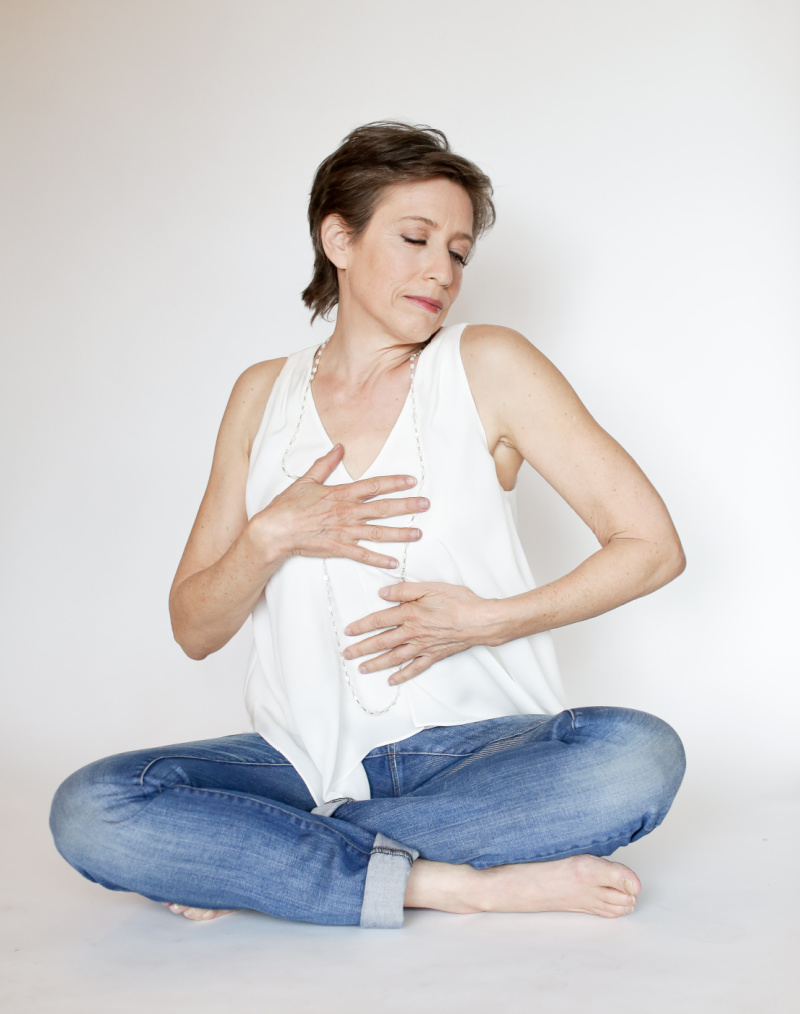
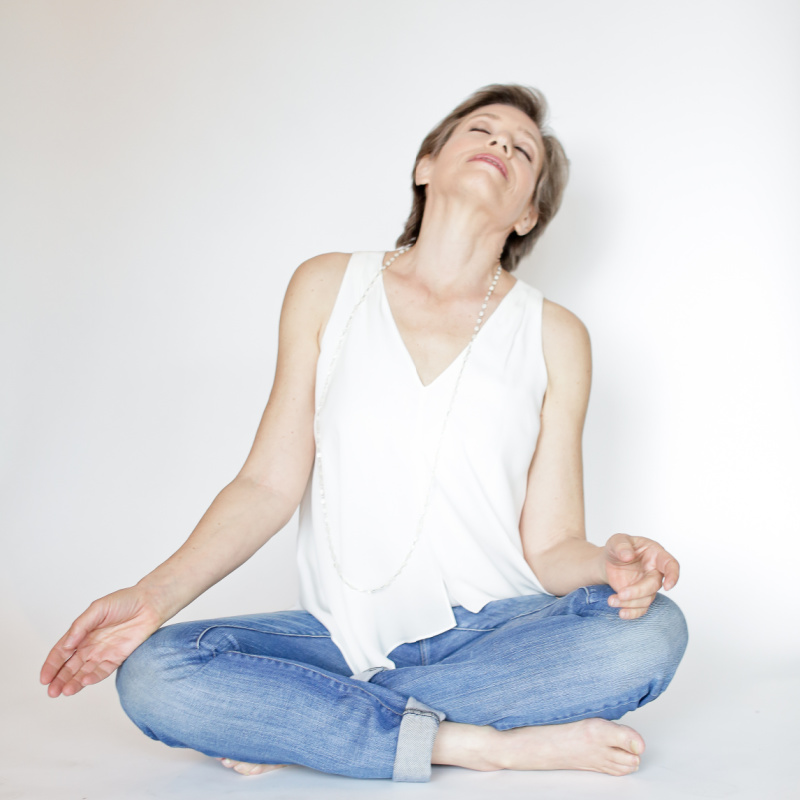
The practice is simple in form and profound in effect:
You close your eyes, listen inward, and let your body move from impulse, witnessed by another in unconditional friendliness.
I came to it as a third-generation student, back in the 80’s learning from those who had trained directly with the founders.
I found Authentic Movement at a time when I was wanting to wean myself off overusing cannabis.
The practice was trancy in the best sense. It offered the same kind of altered, expanded state I had been reaching for, but generated naturally from within. A natural high.
I was curious – fascinated, even – by what my body would want to do when I stopped directing it.
Authentic Movement doesn’t moralize about what you “should” do.
Some days the body wants to go wild; some days my body wanted to do very little, which is perfectly OK, too.
As I wrote in my journal:
I don’t feel like moving.
I listen to my breath,
listen to the sounds around me.
My head slowly falls to the side and forward.
For a long time that’s all I want to do.
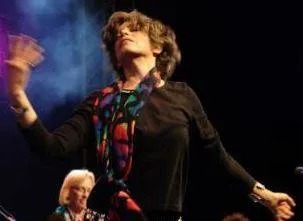
One huge outcome of my Authentic Movement practice was how I came to feel back on the Libana stage, where I was the principal dancer. As much as I enjoyed dancing and being seen on stage, I also felt nervous, self-conscious, and worried about what others thought. Authentic Movement changed all of that. Because I had so many times moved from a place of tender vulnerability with my eyes closed, dancing on stage seemed mild in comparison.
Even on international tours in Bulgaria, Morocco, and India — with five big honking TV cameras roaming around me as I danced — I felt unperturbed.
Who do you think is going to see? Whoever it is, let them see, let them be.
This is my space, my territory. I stamped on this piece of ground. I clapped here. It’s mine.
To take this all to a deeper level, I created an independent study through Lesley University’s Expressive Arts Therapy program.
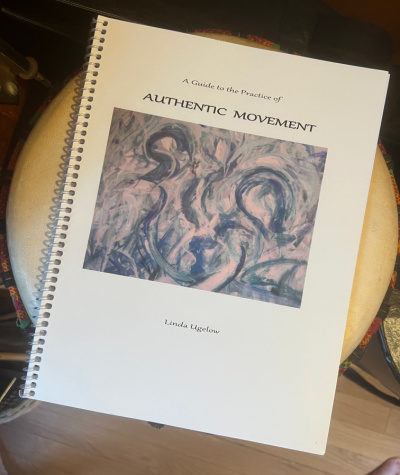
For my thesis, I wrote a manual on the practice of Authentic Movement, drawing on Body-Mind Centering – the brilliant somatic work developed by Bonnie Bainbridge Cohen.
(If you’ve ever practiced Contact Improvisation, you’ve likely encountered her lineage.) That manual, written in 1990, still informs how I hold space today.
My thesis manual, 1990 – still on my shelf.
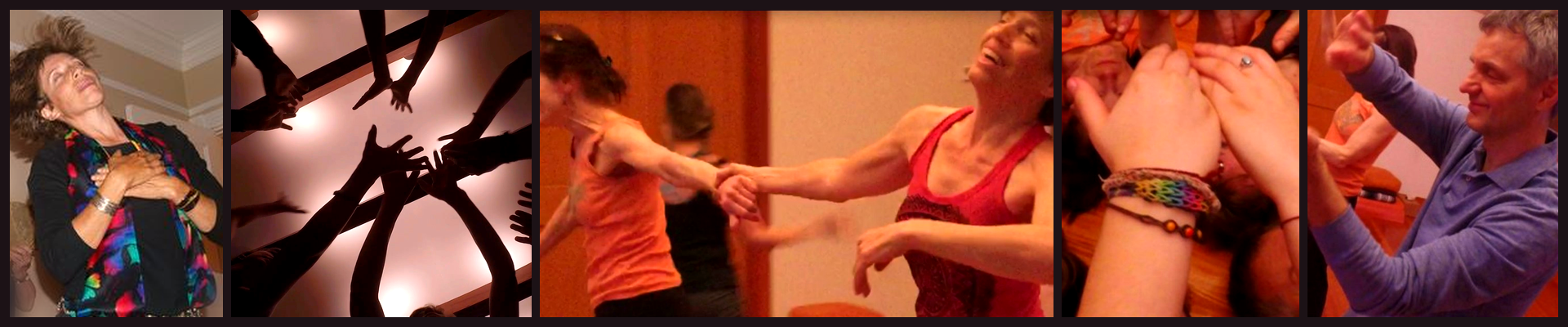
Ecstatic Dance and Dance into Your Joy
As enamored as I was – and still am – with this practice of moving from within, it does leave out one of the great gifts of dance: MUSIC!
Music is inspiration, invitation, and a dance partner. You can dance with your eyes closed for a completely internal experience, or open them and let the music become the connective thread between you and others – and everything in between.
I half close my eyes and let the music move me.
First my head, then my arms fly out, my hips swivel, my spine undulates.
I give myself over to the spirit in the music.
From my teaching at Longy, I was already familiar with guiding people to move intuitively to music.
So when my dear friend Janet Powers – my unschooling and gardening buddy – introduced me to JourneyDance, Toni Bergins’ brainchild, I recognized it as the missing piece.
Training with Toni gave me insight into creating playlists that take dancers on an arc of experiences and emotions.
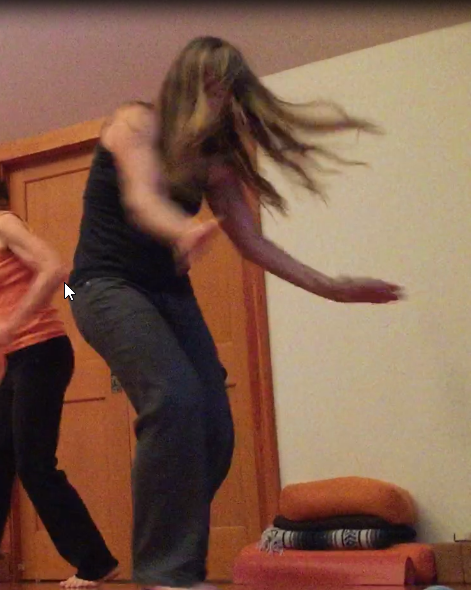
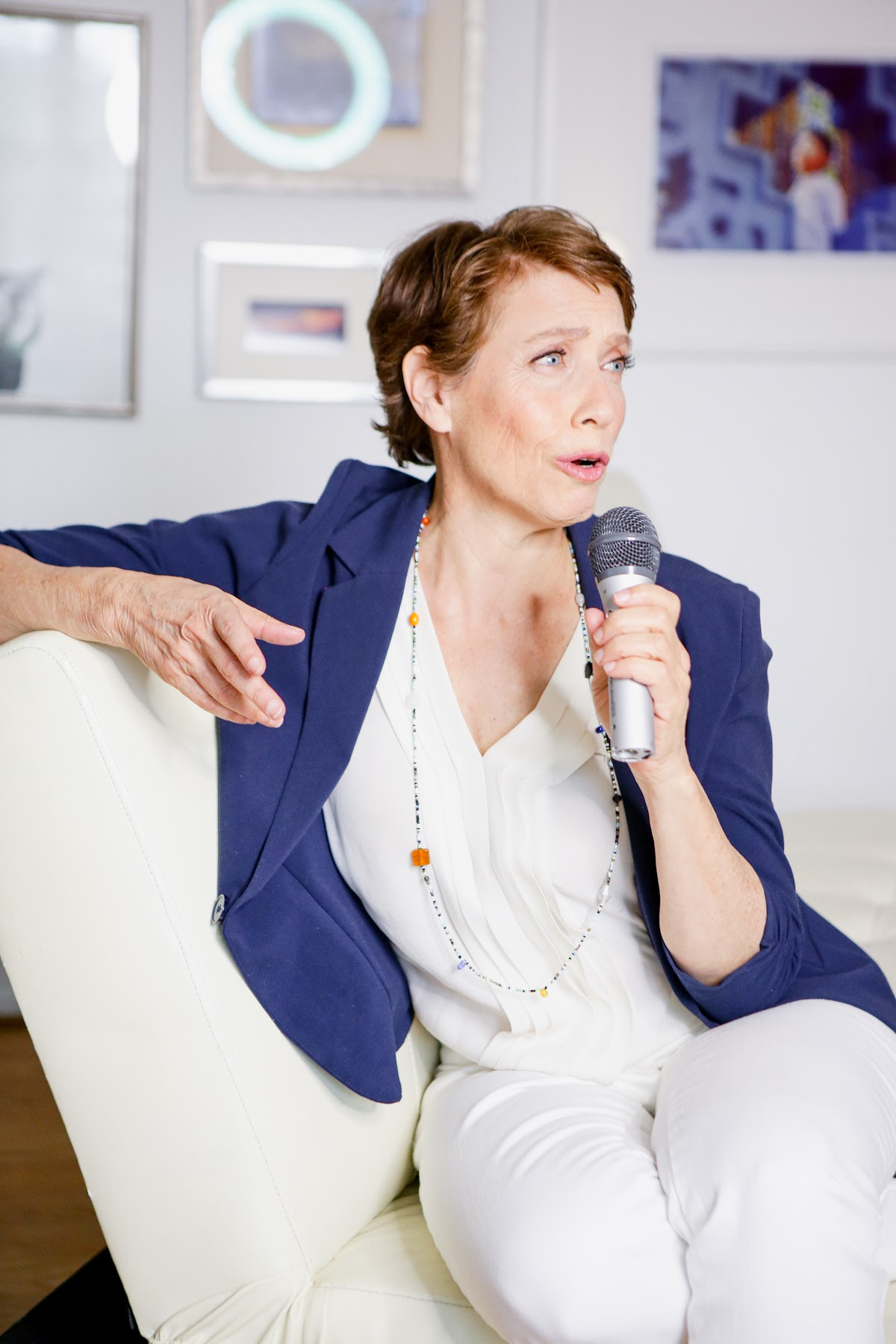
Janet and I offered Ecstatic Dance events at a beautiful space in Bedford, MA for ten years, first under the JourneyDance brand, and then our own – Dance into Your Joy.
Janet Powers – letting it fly!
One element I bring to my Ecstatic Dance events from my Authentic Movement roots is time to reflect after we move.
I believe that recording and refecting on our experiences, gives them more relevance, meaning, and growth.
Plus it allows us to go back and remember our experiences!
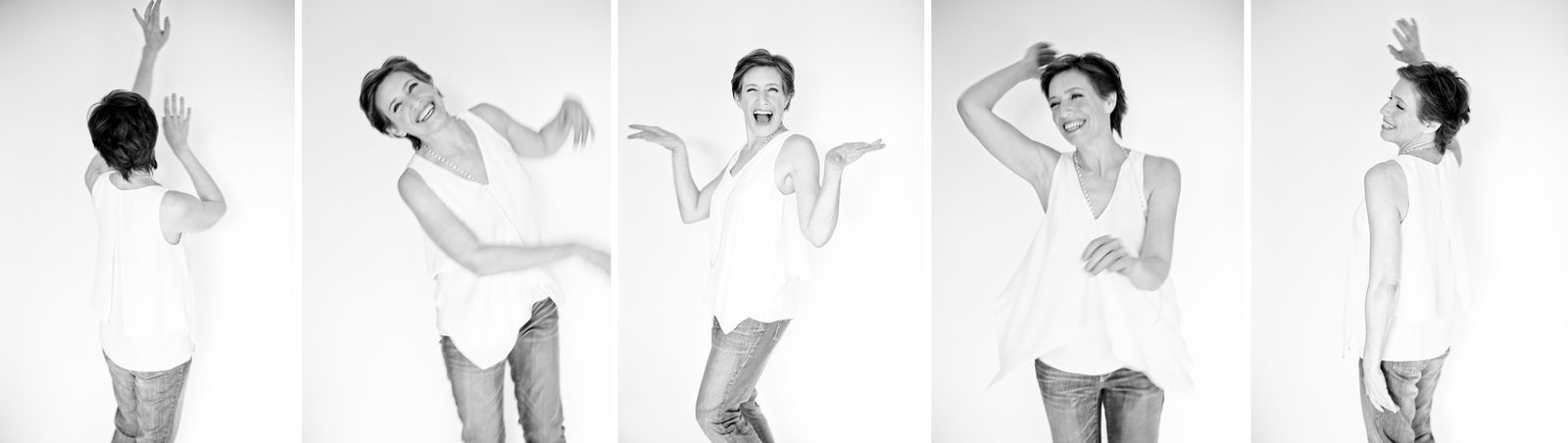
The pandemic closed the Dance into Your Joy chapter, and my work as a speaking confidence coach took center stage.
I’ve continued to introduce my speaking clients and students to these practices…
Movement and dance to uncover, explore and heal the root causes of their fear of speaking, get comfortable being seen and heard, and to manifest the feelings and experiences they desire.
Now in 2026
I love helping people get comfortable speaking on stage, on camera, and on podcasts.
And I love helping people feel comfortable in their bodies and on the dance floor. Dance is our human design, and yet so underused!
Combining Authentic Movement with Ecstatic Dance brings together all the magic for healing, transformation, and manifestation.
May these two modalities be as meaningful, inspiring, and an inner guide on your life journey as they have been on mine.
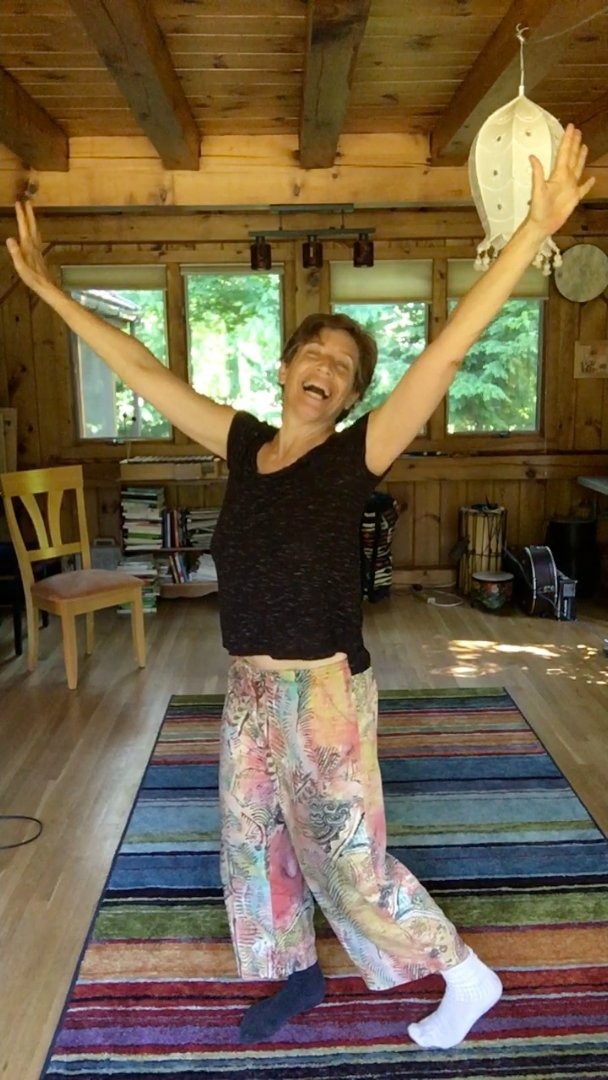
Whether you’re new to this work or have been moving for years — whether you come to release, to play, to listen, or simply to be in your body again — I’d love to dance with you.
All my love, Linda
P.S. I’ve got a free gift for you!
In 2016 I created 21 guided dances to help you embody the qualities of a flourishing life – inspired by the character strengths research of positive psychology
They’re free. Check them out here!